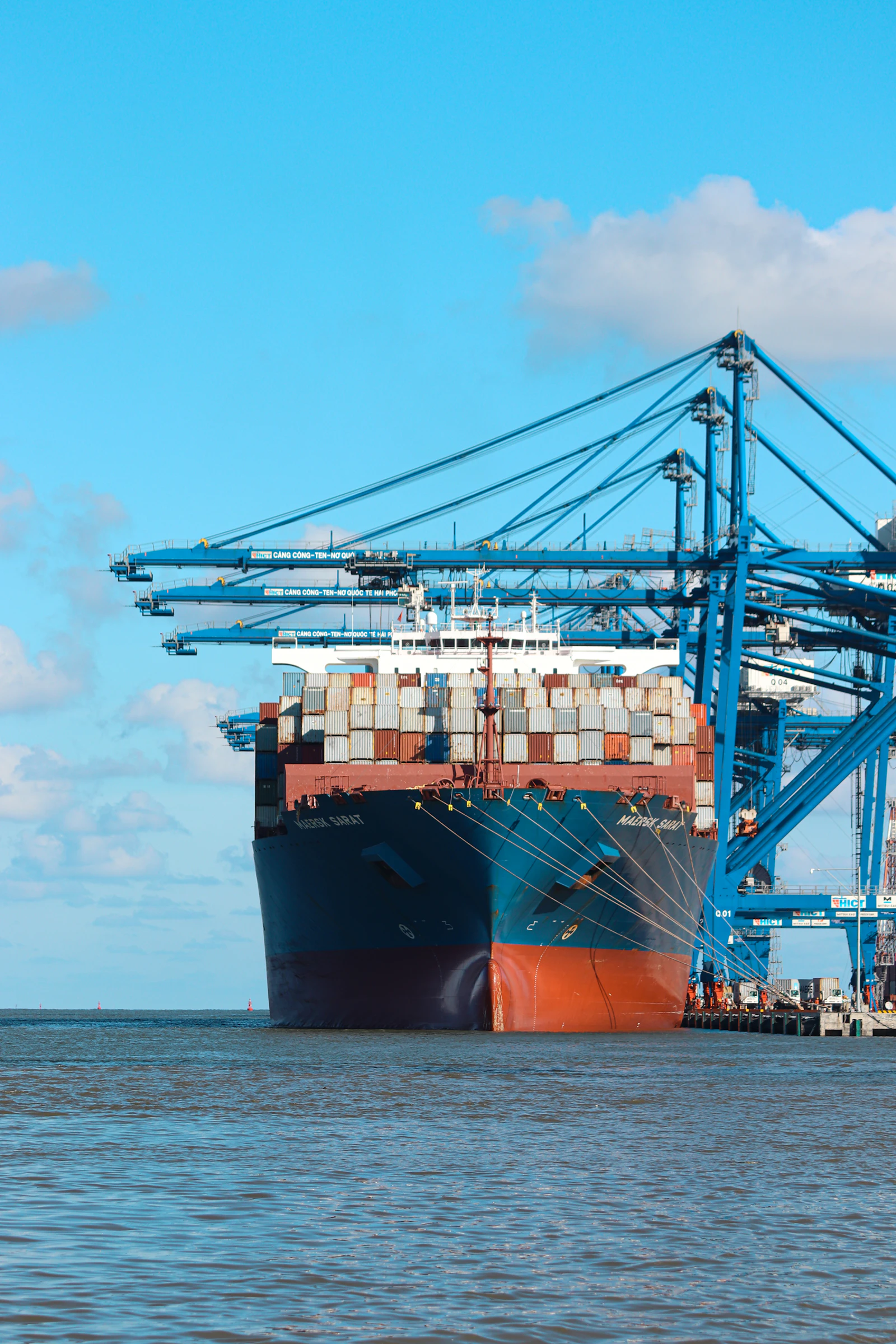
The supply base is the link between the onshore supplier chain and the offshore installation. Everything heading offshore passes through it — and everything coming back does the same.
What a supply base actually does
- Receiving and checking goods from suppliers.
- Sorting, marking and consolidating into as few units as possible.
- Holding materials between sailings.
- Preparing and certifying cargo for offshore lifting.
- Quayside handling, loading and discharging vessels.
- Receiving backload: empty units, used equipment and waste.
The sailing schedule is the real product
A base does not sell square metres — it sells predictability. When sailings run on a fixed rotation, the installation can cut buffer stock offshore, where space is most expensive.
Irregular supply forces the opposite behaviour: the installation orders more than needed, earlier than needed, to cover uncertainty. The cost moves, it does not disappear.
Consolidation: the most underrated saving
Five half-full units from five suppliers occupy five lifts and five deck slots. The same goods consolidated into two units frees deck space, reduces lifting operations and lowers risk exposure per sailing.
This assumes the base has visibility of incoming orders early enough to combine them — an argument for keeping procurement follow-up and base logistics with the same party.
Backload is not an afterthought
The return flow is as real as the outbound leg. Empty CCUs, used equipment, hazardous waste and segregated waste all need a defined onshore reception route. Without planned backload, offshore deck space fills with units that should have gone home.
Frequently asked questions
How is a supply base different from an ordinary warehouse?
A supply base combines warehousing with quay access, certified lifting capability and vessel coordination. An ordinary warehouse has neither the quay nor the offshore certification competence.
Why does consolidation matter so much offshore?
Because deck space and lifting operations are the scarce resources, not onshore storage. Fewer, fuller units mean more capacity per sailing and fewer lifts.
Who owns the cargo while it sits at the base?
Ownership follows the contract between customer and supplier. The base normally acts as operator of the goods rather than owner, and documents receipt and release.
Need help applying this in practice?
Tell us about the operation and we'll respond with a concrete plan within one business day.
Request a quote